Dietitians’ Take on the New Dietary Guidelines for Americans

Written By: Kat Desheva and Audrey McKinney
Reviewed by: Alisha Macas

Weight-loss medications, including semaglutide (Wegovy, Ozempic), liraglutide (Saxenda, Victoza), and dual-acting tirzepatide (Zepbound, Mounjaro), are increasingly used as tools for managing health.
Their effects are proven to manage multiple chronic conditions, including diabetes, cardiovascular disease, and kidney disease. They have also been shown to support weight loss and are often prescribed for this purpose. Still, the key to success with these medications is to maintain mindful meal patterns with nutritious, balanced food choices. This will help promote safer, more effective results.
In this guide, we’ll discuss key nutritional guidelines to help you confidently follow your fueling plan while taking weight loss medication. From tasty lean proteins that protect muscle mass to nutrient-dense fruits and vegetables that prevent vitamin deficiencies, we’ll also discuss how you can help manage the side effects of these medications.
Importance of Mindful Meal Patterns With Weight Loss Medications
Glucagon-like peptide-1 (GLP-1) medications reduce appetite through multiple complex mechanisms, not just by delaying gastric emptying.
While they do slow digestion to keep you fuller for longer, they also suppress the hunger hormone ghrelin, reduce reward-based eating signals in the brain, and improve insulin sensitivity to prevent blood sugar crashes that trigger cravings.
Additionally, many users experience aversions to fatty foods or mild nausea that further curbs intake. As a result of these combined effects, users might not eat enough to meet nutrient needs. That’s why nutrition experts stress the importance of pairing them with balanced, nourishing meals.
Christine Goukasian, MS, RDN, a senior dietitian at UCLA Health, states, “Patients on weight-loss medications need a good source of protein and fiber regularly.” However, because these medications significantly increase satiety, consuming high volumes of fiber can be challenging if you already feel full.
The two top priorities are consuming adequate protein and avoiding nutrient deficiencies. A meal pattern rich in protein helps preserve muscle mass, an essential priority for maintaining metabolism, while maximizing micronutrient intake.
This ensures your body receives vital vitamins and minerals even when portion sizes are small. Fiber remains important for digestion, but it should be prioritized carefully to avoid overfullness.
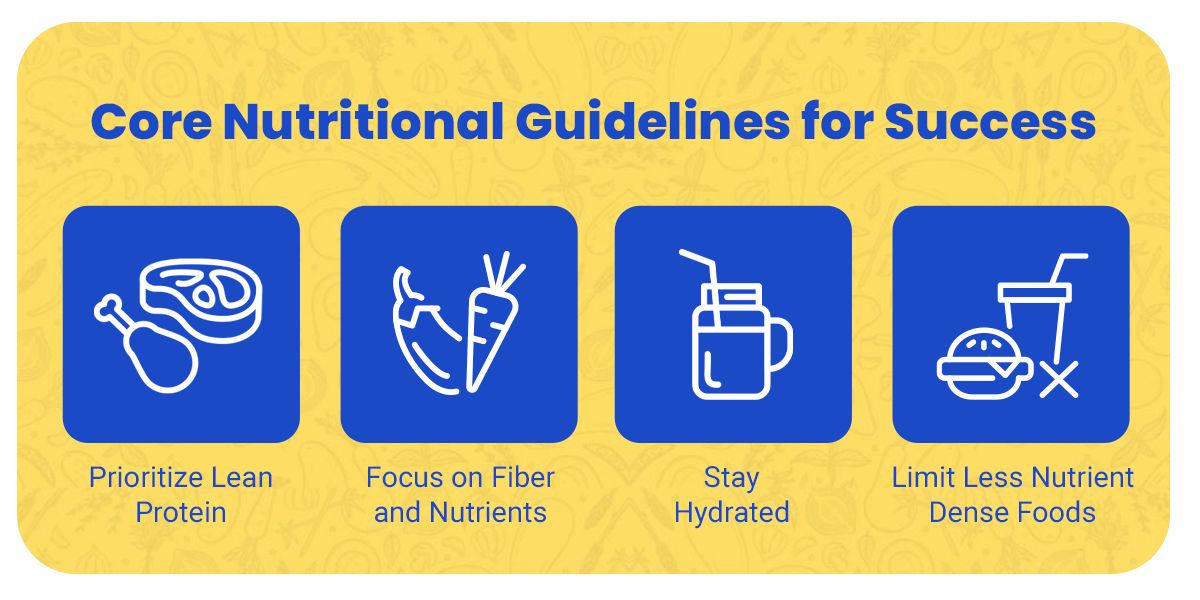
Core Nutrition Guidelines for Success
Establishing mindful eating patterns is crucial for long-term success with weight loss medications. Here are some nutritional guidelines to support your health plan:
Prioritize Lean Protein
Protein is essential for satiety and preserving lean muscle. Both help you maintain your metabolism during weight loss. Aim for a palm-sized portion of lean protein in most meals, and pair with fiber-rich sides and hydration for comfort. You can get protein by incorporating the following foods into your meal plan:
- Chicken breast
- Lean ground meats
- Fish
- Eggs
- Tofu
- Legumes
- Greek yogurt
- Low-fat dairy
These foods can also steady your energy while your appetite is lower from GLP-1s. Simple swaps can make a difference. For instance, you might:
- Add two eggs or ¾ cup of Greek yogurt at breakfast.
- Opt for chicken, tofu, or fish at lunch and dinner.
- Keep quick options on hand for snacks, like tuna packets or string cheese.
Be sure to check in with a Registered Dietitian to personalize your targets.
Focus on Fiber and Nutrients
It’s important to eat nutrient-dense foods that give you the vitamins and minerals you need. These can make you feel fuller, keep your energy up, and aid in digestion. Build plates around colorful produce and whole grains to stabilize blood sugar and promote gut health and regularity. Great examples include:
- Berries
- Apples
- Citrus
- Pears
- Spinach
- Kale
- Broccoli
- Cauliflower
- Carrots
Focus on grains like oats, quinoa, rice, and whole-wheat bread. Olive oil, avocado, nuts, and other unsaturated fats can also add flavor and result in more satisfying meals.
Stay Hydrated
Staying hydrated will help keep your energy up and aid in digestion. It can also help prevent increased side effects from dehydration when taking weight loss medications, such as headache, constipation, reflux, and nausea. Sip fluids throughout the day rather than all at once — for many adults, 8 to 12 cups per day works well.
Prioritize the following unsweetened drinks:
- Water
- Herbal tea
- Infused water
- Low-sodium broth
If you exercise or have a low appetite, consider a low-sugar electrolyte drink. To add more flavor to your water, try adding slices of citrus, cucumber, or berries.
Limit Less Nutrient-Dense Foods for Better Results
Certain foods can aggravate symptoms like nausea, reflux, and bloating. Try to limit these foods for better results:
- Greasy and fried foods: High-fat items are slow to digest and can sit in the stomach, which can cause bloating and gas. For better tolerance, choose baking, grilling, or air-frying instead of deep-frying, as they use less fat.
- Sugary foods and drinks: Sugary foods and drinks offer little nutritional value and can spike blood sugar. They may also increase queasiness, so try to limit them when taking weight loss medications. Fruit, dark chocolate, and yogurt are fun ways to incorporate sweet treats. Otherwise, practice moderation when enjoying desserts or pair high-sugar foods with a protein to stabilize blood sugar.
- Carbonated beverages: Carbonation can increase stomach pressure and lead to gas and bloating, which for some people, may reduce appetite and lead to unintentional undereating. Prioritize still beverages, like water and herbal tea.
Nutrition Tips to Manage Side Effects
Those taking GLP-1 medications might experience nausea, constipation, reflux, or early fullness, especially during dose changes. While it may feel tough to eat when you face these symptoms, certain foods can actually nourish you and help manage them:
- For nausea: To reduce nausea, it’s best to eat smaller and more frequent meals. Choose bland, low-fat foods like crackers, toast, rice, bananas, and broth-based soups. Ginger tea, chews, or capsules can also help, while mint tea might soothe the stomach. Limit greasy foods, spicy dishes, and carbonation.
- For reflux or fullness: To avoid reflux or early fullness, prioritize lean protein, soft produce, and cooked grains that are easy on the stomach.
- For constipation: For constipation, remember to eat fibrous foods like fruit, vegetables, legumes, oats, chia, flax, and prunes, and pair each with water. Walk after meals, sip warm fluids, and consider a low-sugar electrolyte drink if your intake is low.
- For low appetite: Nutrition in liquid form can be easier to tolerate for those on a GLP-1. Try making a smoothie with fruit, milk, yogurt, or protein powder for a liquid option that provides both protein and fiber.
For example, maybe five to six times a day, eat something small but balanced, with protein, fruit or vegetable, and whole-grain starch. Eating small but frequent meals can also help anyone taking both GLP-1s and prescribed diabetes medications avoid feeling overly hungry, preventing too-low blood sugar.
Work With a Dietitian for a Personal Plan
General guidance is a great start, but a personalized plan is the key to long-term success. Doherty Nutrition’s Registered Dietitians can provide intuitive and mindful eating guidance, creating realistic strategies tailored to your goals, preferences, and health history.
Our Registered Dietitian Nutritionists help clients manage GLP-1 side effects and create balanced, sustainable wellness plans. We monitor for any nutrient deficiencies that might come up from eating habit changes, including vitamin B12, iron, and calcium. Our team can help you build an eating plan you enjoy, ensure you meet your unique nutrient needs, and develop habits that last beyond the medication. Additionally, our Dietitian Nutritionists can help you work through and respond to individual side effects as you experience them.
We are also proud to offer convenient virtual nutrition counseling. To get started, book a consultation today.




Grace Wilson
MS, RDN, LD
Licensed in IL

Soleil Watanabe
MS, RD, LD
Licensed in IL

Paige Robinson
MS, RD, LD
Licensed in IL & TX
Hannah Eddy
MDA, RD, LD
Licensed in TX

Megan Bolyard
MS, RD, LD
Licensed in IL, TX, & NC
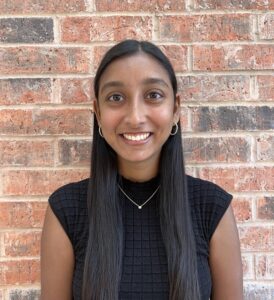
Anisah Ahmed
MS, RD, LD
Licensed in TX

Kat Desheva
MS, RD, LD
Licensed in TX
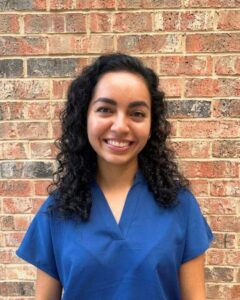
Evangelina Vaghefi
MS, RD, LD
Habla Español
Licensed in TX

Maritza Esquivel
MCN, RD, LD
Habla Español
Licensed in TX

Rebeca Hernandez-Gonzalez
MS, RD, LD
Habla Español
Licensed in TX
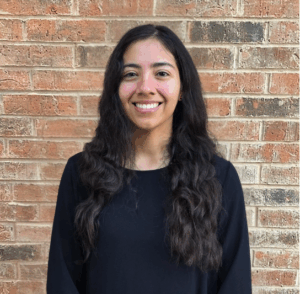
Leslie Ramirez
RD, LD
Habla Español
Licensed in TX
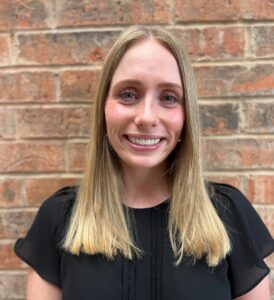
Abby Coleman
RD, LD
Licensed in TX
Katherine Keelan
MS, RD, LD
Licensed in TX

Taylor Burns
MS, RD, LD
Licensed in TX

Daysy Bustamante
RD, LD
Habla Español
Licensed in IL & TX

Rachel Arnold
MS, RD, LD
Licensed in TX
Cassidy Storts
RD, LD
Licensed in TX

Kaitlin Walker
RD, LD
Licensed in UT & TX

Danielle McAdoo
RD, LD, CDCES
Licensed in TX

Kacilyn Helton
MCN, RD, LD
Licensed in TX
Business Development Manager

Bryan Johnson
MS, RD, LD
Licensed in TX
Senior Dietitian
Karlei Summerford
MS, RD, LD
Licensed in TX
Senior Dietitian

Scarlett Chaidez
MCN, RD, LD
Licensed in TX & AR
Senior Dietitian
Anne-Marie Alford
MS, RD, LD
Licensed in TX
Clinical Manager

Remy Luper
RD, LD
Licensed in TX
Clinical Manager
Grace Wilson
MS, RDN, LD
Licensed in IL
Soleil Watanabe
MS, RD, LD
Licensed in IL
Paige Robinson
MS, RD, LD
Licensed in IL & TX
Hannah Eddy
MDA, RD, LD
Licensed in TX
Megan Bolyard
MS, RD, LD
Licensed in IL, TX, & NC
Rachel Arnold
MS, RD, LD
Licensed in TX
Danielle McAdoo
RD, LD, CDCES
Licensed in TX
Kacilyn Helton
MCN, RD, LD
Licensed in TX
Business Development Manager
Bryan Johnson
MS, RD, LD
Licensed in TX
Senior Dietitian
Anne-Marie Alford
MS, RD, LD
Licensed in TX
Clinical Manager
Remy Luper
RD, LD
Licensed in TX
Clinical Manager
Morgan Palmer
MS, RDN, LD
Licensed in TX
Grace Wilson
MS, RDN, LD
Licensed in IL
Soleil Watanabe
MS, RD, LD
Licensed in IL
Paige Robinson
MS, RD, LD
Licensed in IL & TX
Hannah Eddy
MDA, RD, LD
Licensed in TX
Megan Bolyard
MS, RD, LD
Licensed in IL, TX, & NC
Anisah Ahmed
MS, RD, LD
Licensed in TX
Cassidy Storts
RD, LD
Licensed in TX
Kacilyn Helton
MCN, RD, LD
Licensed in TX
Business Development Manager
Bryan Johnson
MS, RD, LD
Licensed in TX
Senior Dietitian
Anne-Marie Alford
MS, RD, LD
Licensed in TX
Clinical Manager
Remy Luper
RD, LD
Licensed in TX
Clinical Manager
Soleil Watanabe
MS, RD, LD
Licensed in IL
Paige Robinson
MS, RD, LD
Licensed in IL & TX
Katherine Keelan
MS, RD, LD
Licensed in TX

Kristen Ramos
MS, RD, LD
Habla Español
Licensed in TX
Daysy Bustamante
RD, LD
Habla Español
Licensed in IL & TX
Rachel Arnold
MS, RD, LD
Licensed in TX
Cassidy Storts
RD, LD
Licensed in TX
Danielle McAdoo
RD, LD, CDCES
Licensed in TX
Karlei Summerford
MS, RD, LD
Licensed in TX
Senior Dietitian