Nutrition During and After Cancer Treatment
October 30, 2023
- 5 min read
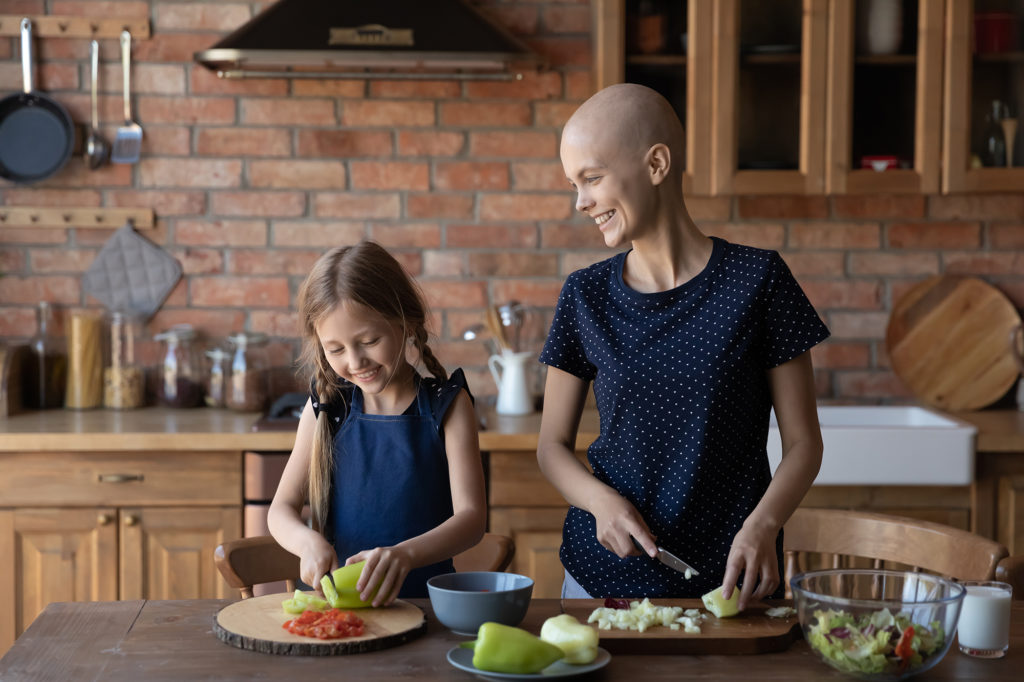
We are done with the heat Texas! We are now in October, which not only marks the changing of seasons but also serves as a powerful reminder for cancer as it is Breast Cancer Awareness Month. In this edition of our blog, we turn our focus toward the vital role that nutrition plays in the journey of cancer prevention and management. Join us as we explore evidence-based insights, expert advice, and practical tips to empower you in making informed choices for a healthier, more resilient future.
Nutrition During Cancer Treatment
If you are going through any type of cancer treatment including chemotherapy, radiation therapy, immunotherapy, hormone therapy, or surgery, it is extremely important to use food not only as a tool for maintaining your weight and nutrition status but also to minimize the side effects of cancer treatment.
Cancer is a hypermetabolic disease, which means the body needs more energy than normal. Adequate protein and calorie intake during treatment play a significant role in helping people with cancer meet their increased nutritional needs for healing, helping the immune system fight the disease and preventing weight loss. A poor nutrition status can sometimes lead to poor tolerance to treatment by having more side effects and delays in infusion or even surgery.
Calorie and Protein Needs
How much or what you need to eat during treatment depends on what your nutrition status was before diagnosis, the type of cancer you have, and the length and type of treatment you are receiving. For the most part, it is recommended that people with cancer eat a high-calorie and high-protein diet.
One tip we like to share with our patients is to make sure that whatever they put into their bodies is giving them some kind of nutritional value and nourishing them.
Adding more Protein and Calories to Your Day
When trying to prioritize protein and calories over everything else, it is better to choose a blended vegetable/chicken soup instead of chicken broth as the soup will have a higher content of protein and calories than the broth. If the patient is really craving broth, it is a great idea to add flavorless collagen powder to increase the nutritional value of that meal.
Homemade smoothies or store-bought protein shakes and powders are a great way to include more protein and calories throughout the day by adding them to meals, snacks or having them in between meals.
Managing Side Effects of Cancer Treatment
Getting enough nutrition during the day can be hard when clients are experiencing side effects like nausea, vomiting, diarrhea, early satiety, poor appetite, or fatigue. Food can both worsen or alleviate these side effects.
A super helpful tip we share with our patients who are suffering from nausea or poor appetite is to, instead of eating 2-3 big meals a day, try eating 5-6 small, snack-like meals throughout your day. This will provide adequate food while also minimizing the feeling of nausea.
Nutrition for Survivorship and Prevention
Research suggests that the same evidence-based guidelines that help prevent cancer also help guard against its return. These lifestyle adjustments can help protect against additional serious illnesses like heart disease, stroke and diabetes. A healthy diet for prevention and survivorship includes limiting fast foods, red and processed meals, sugary drinks, alcohol, eating an anti-inflammatory diet rich in antioxidants (This a great cook book!) and being physically active for at least 150 minutes a week.
How Can a Registered Dietitian Help With Cancer-Specific Nutrition?
Following the extensive medical advice that surrounds cancer and cancer treatment can become overwhelming and hard to know what is true or not. A Registered Dietitian specializing in oncology can help you and your family or support system figure out a schedule that works for you and recommend a meal pattern that meets your nutrition needs as well as provide strategies to help manage side effects if going through treatment.
Donut keep this tasty knowledge to yourself!
Share this blog post and let's spread these nutritious tips!
- https://www.aicr.org/cancer-prevention/
- Oncology Nutrition For Clinical Practice – Academy of Nutrition and Dietetics
SHOP THE ARTICLE
ADDITIONAL RESOURCES
Our Specialties
ADDITIONAL ARTICLESPANOL


ADDITIONAL DIETITIANS
Paige Robinson
MS, RD, LD
Licensed in IL & TX
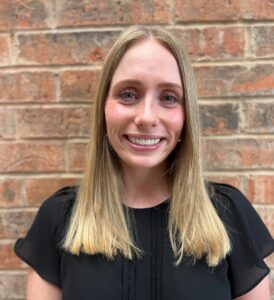
Abby Coleman
RD, LD
Licensed in TX
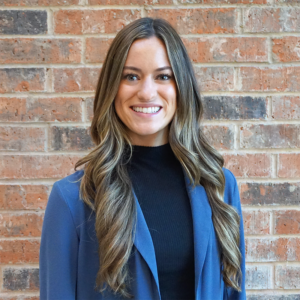
Karlei Summerford
MS, RD, LD
Licensed in TX
Senior Dietitian
Stay Up To Date With the Doherty Digest
Doherty Nutrition is a participant in the Amazon Services LLC Associates Program, an affiliate advertising program designed to provide a way for websites to earn advertising revenues by advertising and linking to Amazon.com.