
Why Eating Disorder Recovery Works Better with a Registered Dietitian and a Therapist

Key Takeaways
- Eating disorders affect both mental and physical health, which is why recovery often requires working with both a registered dietitian nutritionist and a therapist.
- Eating disorder dietitians help restore nutritional health with consistent eating, addressing fear foods, and support the body during recovery.
- Therapists address the emotional and psychological drivers behind the eating disorder including body image, perfectionism, and anxiety.
- Malnutrition can exacerbate eating disorder thoughts making nutrition rehabilitation a critical component of improving therapy outcomes.
- Food alone is not enough for recovery; therapy helps individuals build healthier skills to cope, manage anxiety and challenge harmful beliefs.
Eating disorders are complex conditions that affect both mental and physical health. While many people in recovery start with either a therapist or a dietitian, the most effective treatment often occurs with a multidisciplinary eating disorder treatment team.
Working with both an eating disorder dietitian and an eating disorder therapist allows individuals to address the full spectrum of recovery: building a healthy relationship with food while healing the emotional and psychological patterns that maintain the disorder.
When dietitians and therapists collaborate, clients receive more coordinated, compassionate, and effective care. Throughout this article, Doherty Nutrition has partnered with trusted eating disorder therapist, Ginger Freeman of Emora Health to share insights on how practices like ours exemplify the importance of good coordination of care in a treatment team.
Eating Disorders are Both Mental Health and Medical Conditions
Eating disorders impact more than food choices. They affect thought patterns, emotional regulation, behaviors, metabolism, hormones, and organ systems. Because of this, eating disorder recovery often requires multiple members on a treatment team.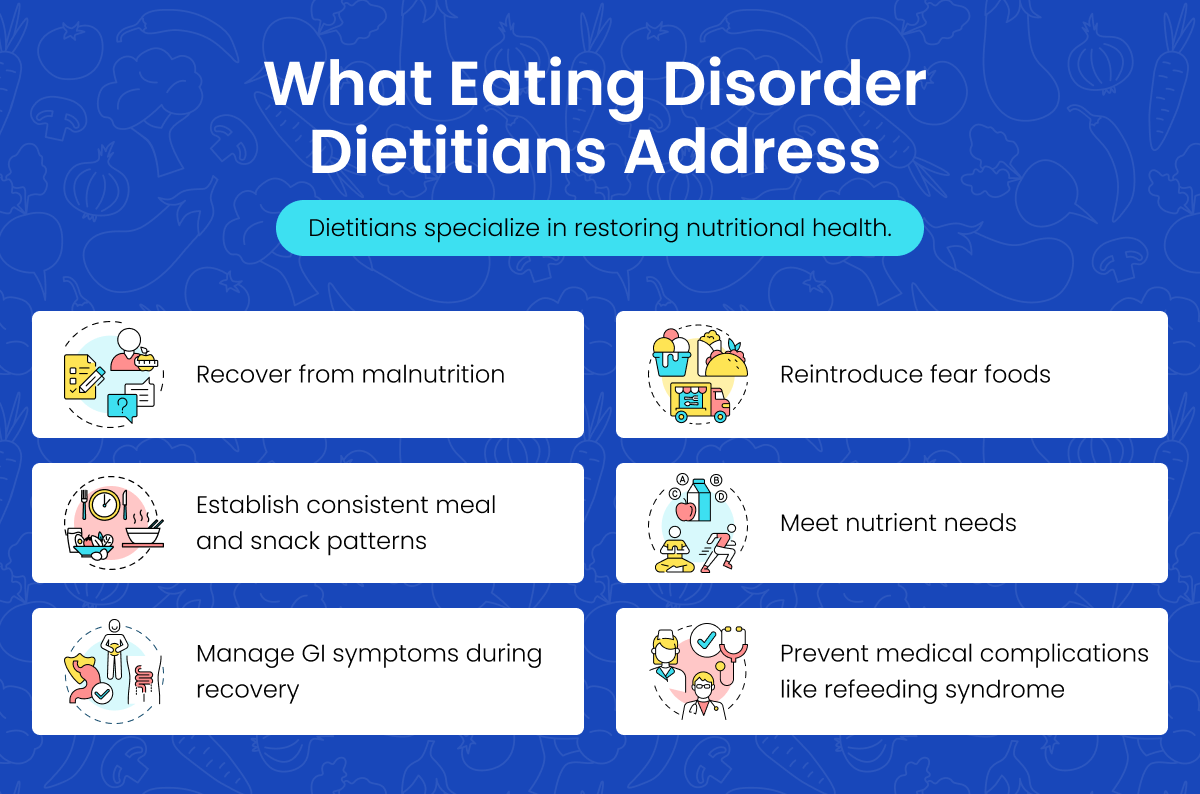
Dietitians specialize in restoring nutritional health:
- Reduce episodes of under or overeating
- Reducing episodes of purging behaviors
Nutrition therapy is critical to recovery from eating disorders because the brain and body cannot heal without adequate nourishment. At Doherty Nutrition, our Eating Disorder Team has training and experience in managing all aspects of eating disorder recovery and is prepared to meet you where you are.
What Eating Disorder Therapists Address:
Therapists focus on the psychological drivers behind the disorder:- Body image distress
- Trauma and past experiences
- Anxiety and depression
- Perfectionism and control
- Internalized beliefs about body size and worth
Therapists like Ginger, approach treatment through a biopsychosocial lens, recognizing that eating disorders develop through a combination of vulnerabilities, experiences and cultural influences.
Rather than striving for constant positivity, Ginger operates by encouraging neutrality, shifting focus away from aesthetics toward body function and self-respect.
You Cannot Think Your Way Out of Malnutrition
A common misconception during eating disorder recovery is that changing thought patterns alone will resolve the disorder. It’s also just as important to address the physical components of the eating disorder. For example, malnutrition itself can intensify ED thoughts and behaviors. When the body is malnourished, it can cause:- Increased anxiety
- Obsessive thoughts
- Rigid behavior patterns
- Emotional volatility
- Difficulty concentrating
In other words, your brain struggles to even engage in therapy when it does not have enough energy.
This is where nutrition therapy from an eating disorder registered dietitian nutritionist becomes essential. RDNs help clients gradually restore nourishment while monitoring medical risk. This includes:
- Adequate daily intake
- Weight restoration, if necessary
- Stabilizing the binge-purge-restrict cycle
- Relearning hunger and fullness cues
- Including a variety of foods
- Managing gastrointestinal concerns
Many clients with eating disorders have lost trust in their body’s signals. Structured nutrition can help to promote balance and body safety before rebuilding that connection.
Like many medical treatments, increasing nutrition can sometimes come with temporary side effects like bloating, increased ED thoughts, or heightened body image distress. Therapy can help clients develop distress tolerance skills, allowing them to navigate these experiences without relying on ED behaviors.
Why Nutrition Support Alone is Not Enough
Once the brain is nourished, clients can engage in emotional recovery more fully. While nutritional rehabilitation is critical, it oftentimes goes much deeper than a meal plan.Nutrition support does not automatically resolve:
- Body image distress
- Fear of weight gain
- Anxiety around food
- Emotional triggers for eating disorder behavior
And while eating disorder thoughts remain active, ED recovery initially increases anxiety. Therapists like Ginger focus on supporting clients through:
- Processing food distress
- Challenging cognitive distortions around body image
- Addressing underlying emotional pain
- Building relapse prevention skills
Ginger Freeman incorporates an Acceptance and Commitment Therapy (ACT) model, which helps individuals observe difficult thoughts without becoming controlled by them. Therapists and dietitians help unpack the long-term effects of chronic diet culture, which often reinforces the idea that our bodies should be constantly controlled or optimized.
The Benefits of a Coordinated Eating Disorder Treatment Team
One of the most powerful aspects of working with both dietitian nutritionists and therapists is coordinating care. With client permission, clinicians can communicate to:- Maintain shared treatment goals
- Monitor progress together
- Identify challenges earlier
- Provide consistent guidance and messaging
For example:
- A therapist might notice increased food restriction or compensatory exercise behaviors and alert the dietitian.
- A dietitian might notice increased comments around body image or ED behaviors around triggering life events and share this with the therapist.
This collaboration creates a support system for our clients. Doherty Nutrition is built on collaborating with other providers and professionals, not limited to mental health therapists, but also medical doctors, GI specialists, physical therapists, and more!
Eating disorders thrive in isolation. Coordinated care reduces that isolation by creating a team that understands the full picture of the client’s recovery. At the same time, our experienced providers recognize that eating disorder behaviors often are developed as coping skills. Many clients fear that treatment will remove the tools that help them survive difficult situations. A collaborative approach works to meet clients where they are, with compassionate motivation to move at a pace that feels safe.
What to Look for in an Eating Disorder Treatment Team
If you are seeking support for an eating disorder, you’re in the right place.Look for:
- Providers that specialize in eating disorder treatment
- Providers who are willing to communicate with one another
- Clear roles within the treatment team
- Weight inclusive and HAES-aligned approaches
- Providers who make you feel safe and understood
If you’re not sure if you have an eating disorder or if treatment is necessary for you, here is a screening tool from the National Eating Disorders Association (NEDA).
Recovery is Stronger with a Team
Eating disorder recovery is not about willpower or “trying harder”. Recovery is not “giving up” on your health goals, it’s actually quite the opposite. ED recovery requires healing both the mind and the body. Doherty Nutrition’s eating disorder registered dietitian nutritionists are trained in the complexity of recovery for all types of eating disorders. Our providers take a weight-inclusive, HAES approach to treatment, and no one walks away with a cookie-cutter meal plan. Doherty dietitians take the time to understand your current habits, medical needs, and your personal and cultural preferences.When providers collaborate, clients benefit from coordinated support, improved safety, and more sustainable healing. If you are located in Austin or throughout Texas, our dietitians regularly collaborate with therapists like Ginger Freeman at Emora Health to provide care. Our Illinois-based dietitians also partner with many therapists and higher levels of care resources to support clients with eating disorder recovery.
Get started on your recovery journey today; we’re equipped to support you.





Anisah Ahmed
MS, RD, LD
Licensed in TX
Audrey McKinney
MS, RD, LD
Licensed in TX
Kat Desheva
MS, RD, LD
Licensed in TX
Evangelina Vaghefi
MS, RD, LD
Habla Español
Licensed in TX

Maritza Esquivel
MCN, RD, LD
Habla Español
Licensed in TX
Rebeca Hernandez-Gonzalez
MS, RD, LD
Habla Español
Licensed in TX
Leslie Ramirez
RD, LD
Habla Español
Licensed in TX

Summer Spaide
RD, LD
Licensed in TX
Abby Coleman
RD, LD
Licensed in TX
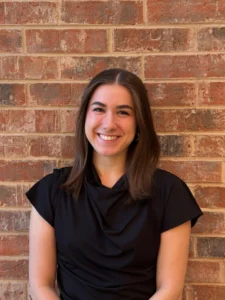
Katherine Keelan
MS, RD, LD
Licensed in TX
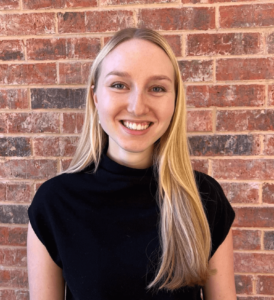
Alyssa Moore
MS, RD, LD
Licensed in TX
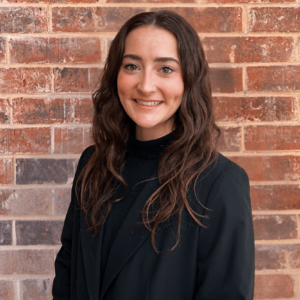
Alisha Macas
MS, RD, LD
Licensed in IL & TX
Business Development RDII
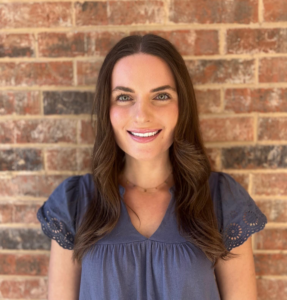
Taylor Burns
MS, RD, LD
Licensed in TX
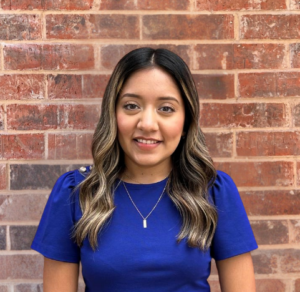
Daysy Bustamante
RD, LD
Habla Español
Licensed in IL & TX
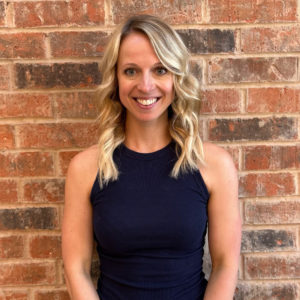
Rachel Arnold
MS, RD, LD
Licensed in TX
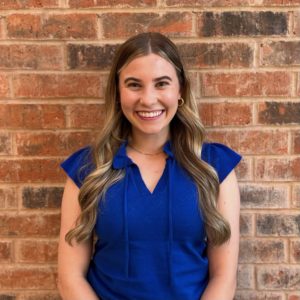
Cassidy Storts
RD, LD
Licensed in TX
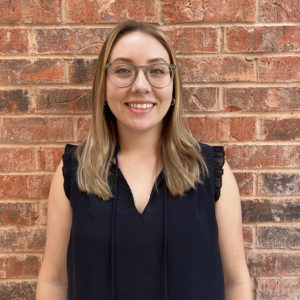
Brittany Thiel
RD, LD
Licensed in TX & PA
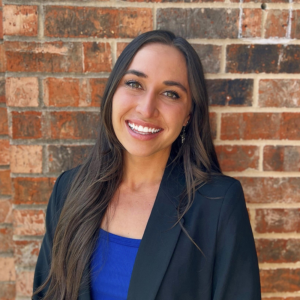
Kaitlin Walker
RD, LD
Licensed in UT & TX

Danielle McAdoo
RD, LD, CDCES
Licensed in TX
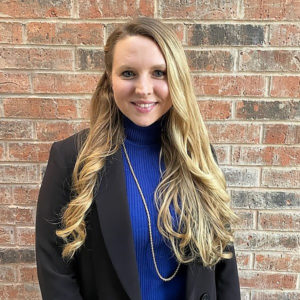
Kacilyn Helton
MCN, RD, LD
Licensed in TX
Business Development Manager

Bryan Johnson
MS, RD, LD
Licensed in TX
Senior Dietitian
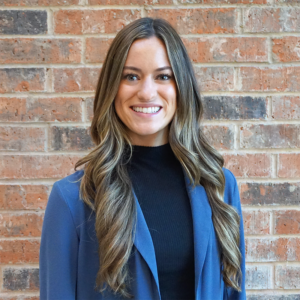
Karlei Summerford
MS, RD, LD
Licensed in TX
Senior Dietitian
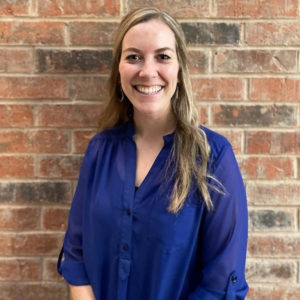
Scarlett Chaidez
MCN, RD, LD
Licensed in TX & AR
Senior Dietitian

Remy Luper
RD, LD
Licensed in TX
Clinical Manager
Megan Bolyard
MS, RD, LD
Licensed in IL
Clinical Manager

Hannah Eddy
MDA, RD, LD
Licensed in TX
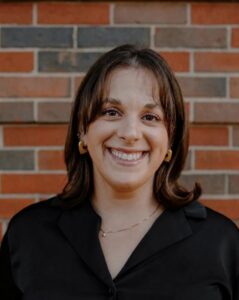
Paige Robinson
MS, RD, LD
Licensed in IL
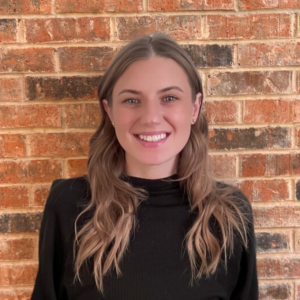
Anne-Marie Alford
MS, RD, LD
Licensed in TX
Clinical Manager
Audrey McKinney
MS, RD, LD
Licensed in TX
Alisha Macas
MS, RD, LD
Licensed in IL & TX
Business Development RDII
Rachel Arnold
MS, RD, LD
Licensed in TX
Brittany Thiel
RD, LD
Licensed in TX & PA
Danielle McAdoo
RD, LD, CDCES
Licensed in TX
Kacilyn Helton
MCN, RD, LD
Licensed in TX
Business Development Manager
Bryan Johnson
MS, RD, LD
Licensed in TX
Senior Dietitian
Remy Luper
RD, LD
Licensed in TX
Clinical Manager
Megan Bolyard
MS, RD, LD
Licensed in IL
Clinical Manager
Hannah Eddy
MDA, RD, LD
Licensed in TX
Paige Robinson
MS, RD, LD
Licensed in IL
Anne-Marie Alford
MS, RD, LD
Licensed in TX
Clinical Manager
Anisah Ahmed
MS, RD, LD
Licensed in TX
Audrey McKinney
MS, RD, LD
Licensed in TX
Summer Spaide
RD, LD
Licensed in TX
Alyssa Moore
MS, RD, LD
Licensed in TX
Alisha Macas
MS, RD, LD
Licensed in IL & TX
Business Development RDII
Cassidy Storts
RD, LD
Licensed in TX
Brittany Thiel
RD, LD
Licensed in TX & PA
Kacilyn Helton
MCN, RD, LD
Licensed in TX
Business Development Manager
Bryan Johnson
MS, RD, LD
Licensed in TX
Senior Dietitian
Remy Luper
RD, LD
Licensed in TX
Clinical Manager
Megan Bolyard
MS, RD, LD
Licensed in IL
Clinical Manager
Hannah Eddy
MDA, RD, LD
Licensed in TX
Paige Robinson
MS, RD, LD
Licensed in IL
Anne-Marie Alford
MS, RD, LD
Licensed in TX
Clinical Manager
Katherine Keelan
MS, RD, LD
Licensed in TX
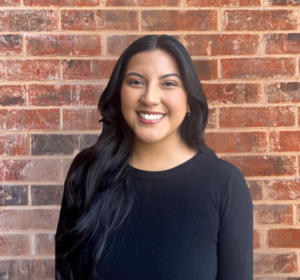
Kristen Ramos
MS, RD, LD
Habla Español
Licensed in TX
Daysy Bustamante
RD, LD
Habla Español
Licensed in IL & TX
Rachel Arnold
MS, RD, LD
Licensed in TX
Cassidy Storts
RD, LD
Licensed in TX
Danielle McAdoo
RD, LD, CDCES
Licensed in TX
Karlei Summerford
MS, RD, LD
Licensed in TX
Senior Dietitian